
Tungsten vs. Molybdenum: What Is the Difference?

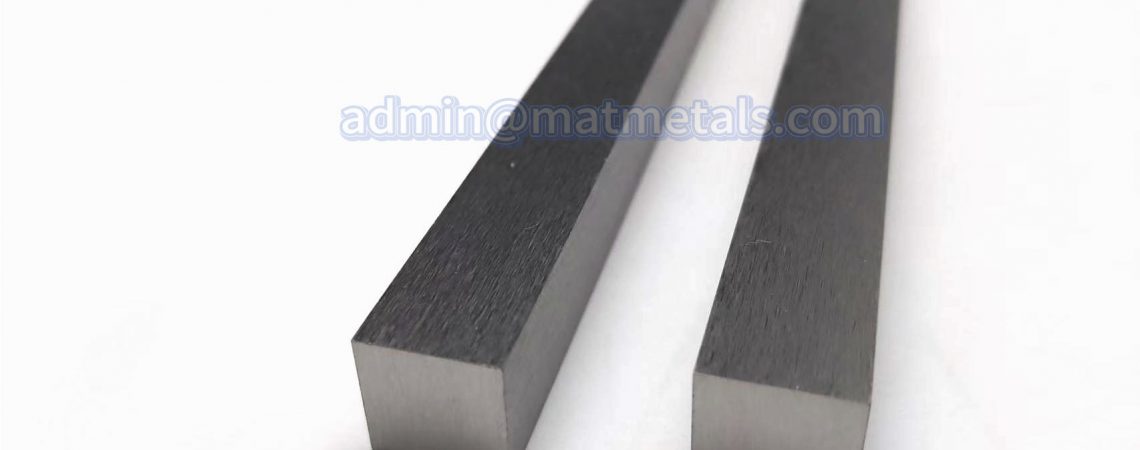
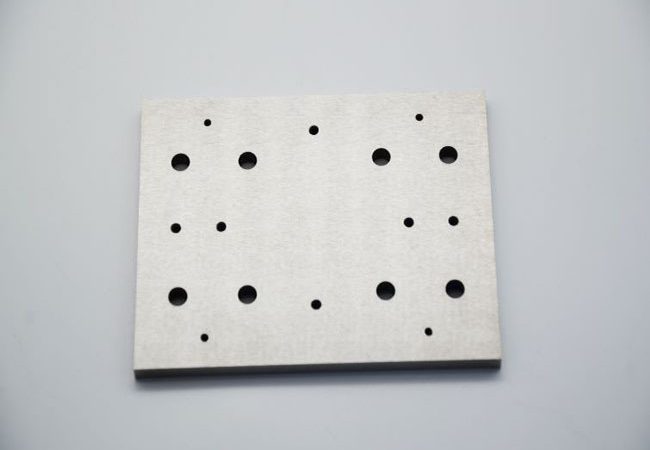
Tungsten and molybdenum are both refractory metals used in high-temperature, semiconductor, electrical, and industrial applications. They have similar characteristics, but their different physical and electrical properties make them suitable for different applications.

Tungsten vs. Molybdenum in High-Temperature Applications

Both metals can be used in high-temperature equipment, including furnace components, heating elements, electrodes, and structural parts.

Tungsten has a higher melting point and is preferred for applications that require maximum temperature resistance.
Read More
Pure Tungsten vs. Tungsten Heavy Alloy: Key Properties and Applications

overview

Pure tungsten and tungsten heavy alloy are both high‑density materials
used in industrial applications. However, they have different properties
Pure tungsten and tungsten heavy alloy are both high-density materials used in industrial applications. However, they have different properties and suit different uses.

Pure tungsten is known for its high purity and high-temperature performance. Tungsten heavy alloy combines tungsten with a binder phase,

Read More
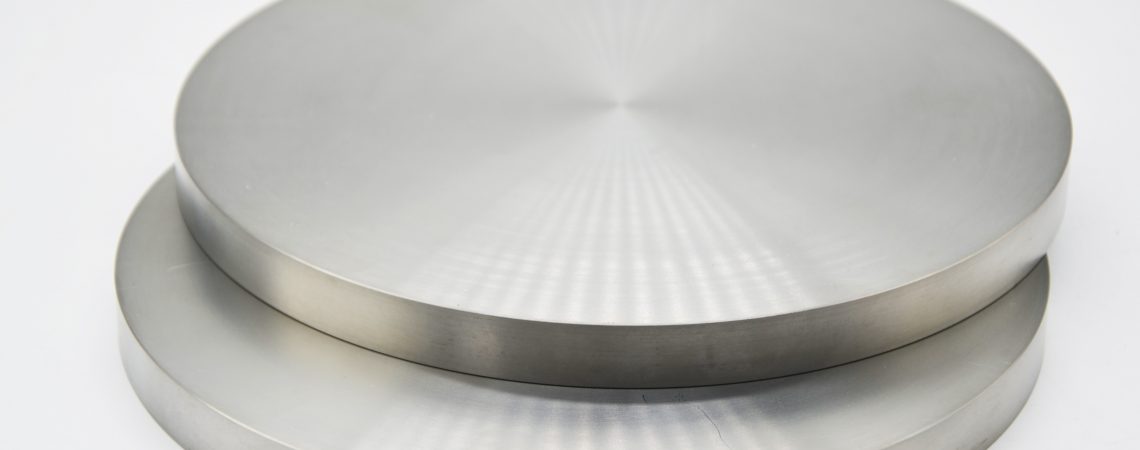
99.95% Tungsten Heating Element Plate And Sheet

99.95% Tungsten Heating Element Plate And Sheet Description

In the high temperature industry or glass industry, heating or heating elements are an important part of the high temperature vacuum furnace. Electric current passes through the heating element to generate heat, so the quality and performance of the raw materials used to manufacture the heating element determine the production efficiency of the high temperature furnace and the quality of the processed products.

Read More
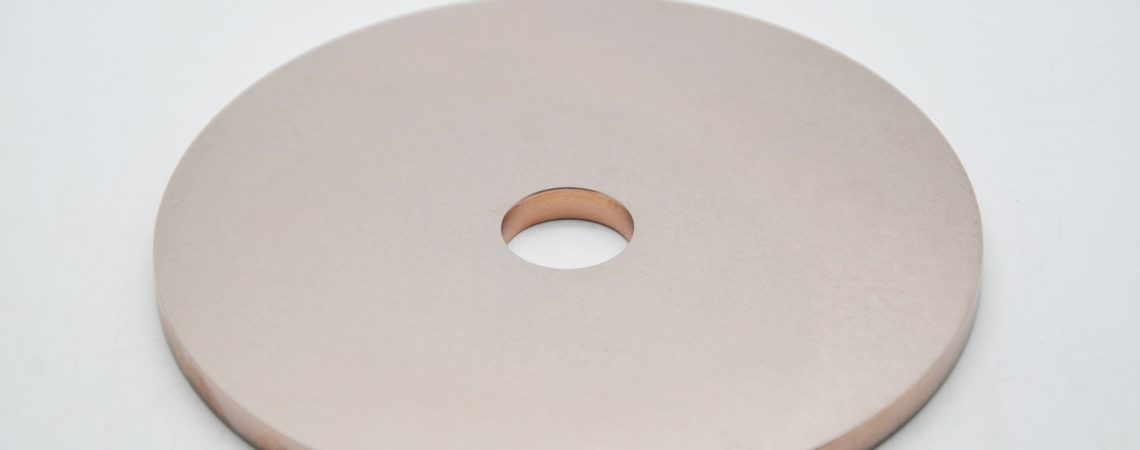
WCu Tungsten Copper Welding Seam Wheel

WCu Tungsten Copper Welding Seam Wheel Description

Seam welding is a resistance welding processing method, in which the weldment is assembled into a butt or lap joint and placed between two roller electrodes. While the rollers are being pressed and rotated continuously or intermittently, electric current is supplied continuously or intermittently to form a continuous weld seam. WCu Tungsten Copper Welding Seam Wheel is the most commonly used resistance welding electrode material,

Read More
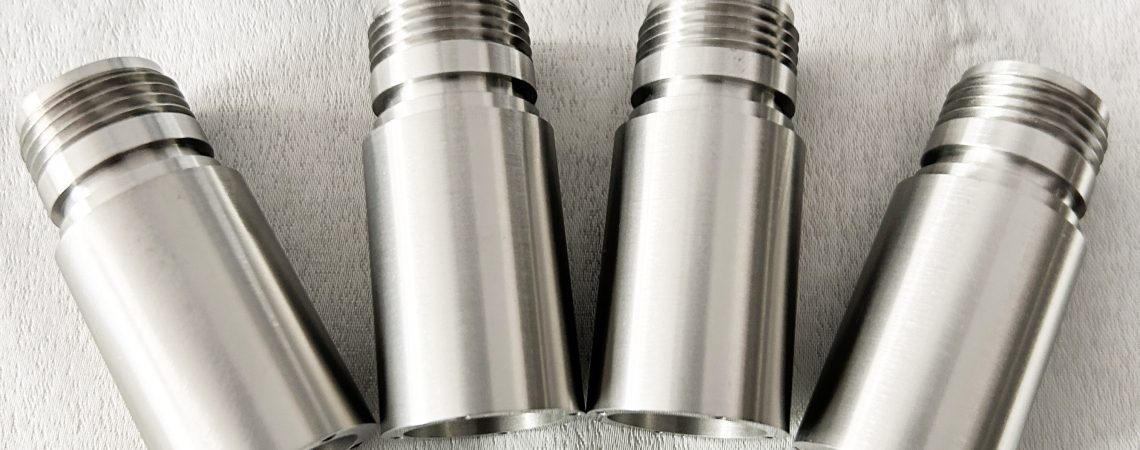
High Purity Tungsten Machined Components

High Purity Tungsten Machined Components Description

High Purity Tungsten Machined Components are made of high purity tungsten materials after a series of special mechanical processing. They have various excellent characteristics such as high dimensional accuracy, good thermal conductivity, strong welding performance, low thermal expansion coefficient, wear resistance, high temperature resistance, corrosion resistance, long service life, high radiation absorption ability, good electrical conductivity, mechanical wear resistance and impact resistance. They can be processed into various shapes and sizes according to the needs of the order.

Read More
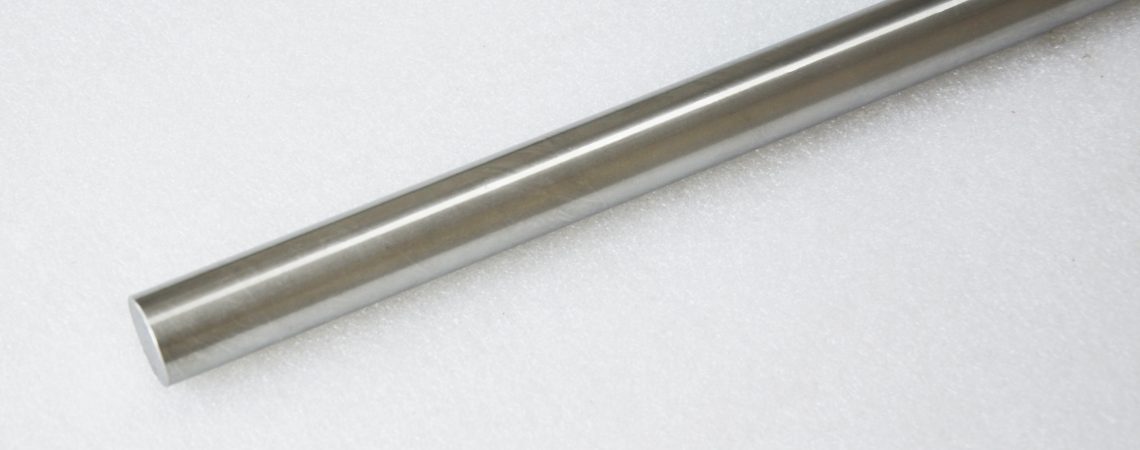
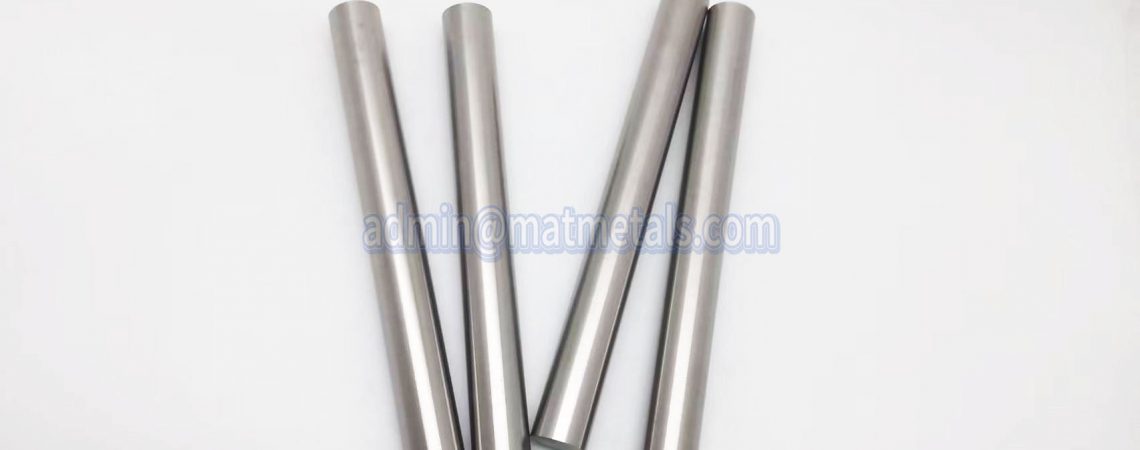
MoW30 Molybdenum Tungsten Alloy Rod

MoW30 Molybdenum Tungsten Alloy Rod Description

Molybdenum and tungsten have similar physical and chemical properties, so they can be composed of alloys to perform better in some areas. The commonly used tungsten content in the alloy is 30%-50%, and different composition ratios can be made according to different application environments. MoW30 Molybdenum Tungsten Rod is generally made by powder metallurgy, method and vacuum electron bombardment smelting. It has high melting point, low steam pressure,

Read More
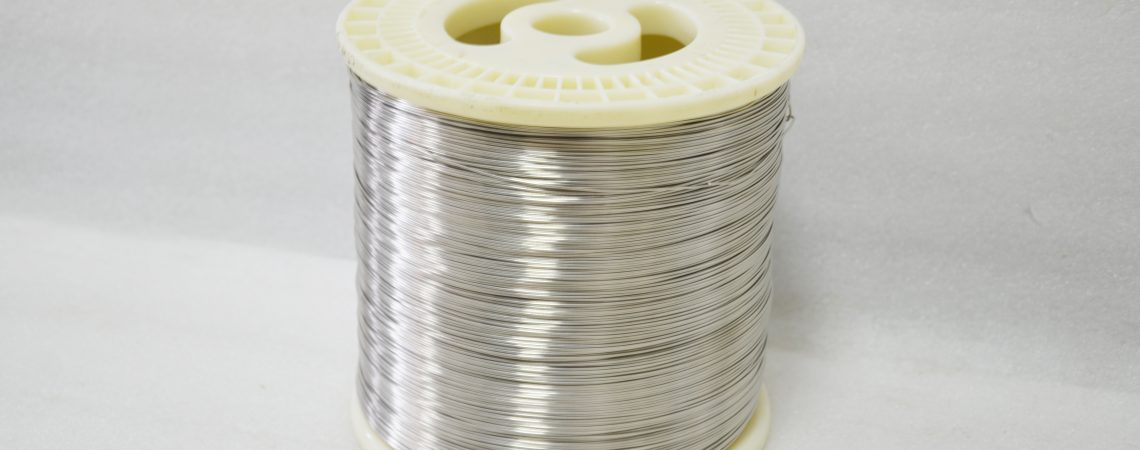
High Purity Nickel Electrode Wire

High Purity Nickel Electrode Wire Description

Nickel has outstanding mechanical strength and ductility, which allows it to be stretched into very fine, high-purity nickel filaments. High Purity Nickel Electrode Wire With super good electrical conductivity and thermal conductivity, low resistivity, high strength, excellent low temperature resistance, good weldability, appropriate line expansion coefficient, good weldability, anti-static and radiation prevention, corrosion resistance, high temperature strength and long life and other characteristics. In particular,

Read More
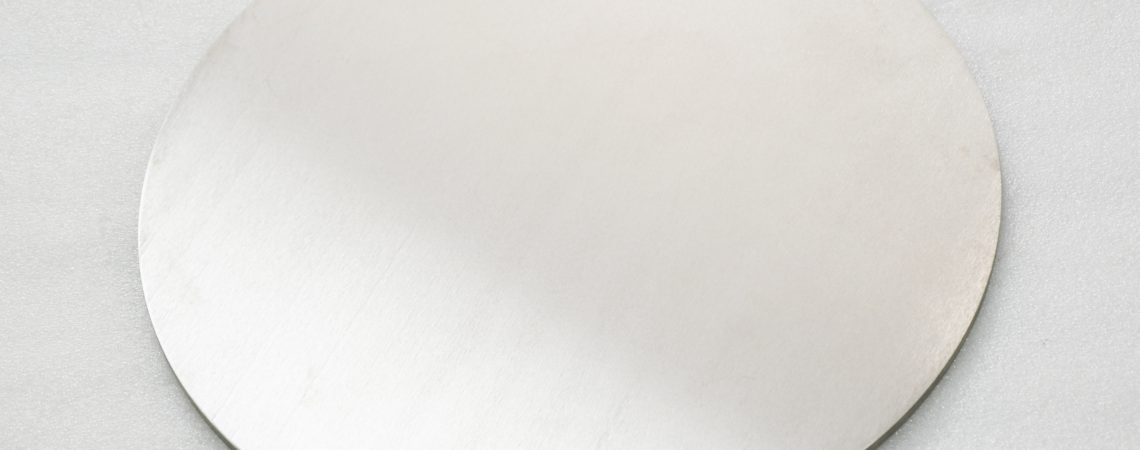
TiZr/TiNi Titanium Alloy Disc

TiZr/TiNi Titanium Alloy Disc Description

Titanium and titanium alloys are the most commonly used lightweight materials, widely used in important key parts of industries such as aerospace, electronics and mechanical manufacturing. Commonly used titanium alloys are titanium aluminum alloy, titanium zirconium alloy or titanium nickel alloy. TiZr/TiNi Titanium Alloy Disc is often made by powder metallurgy process, with good processing performance, high tensile strength, wear resistance, oxidation resistance, high damping, high temperature resistance,

Read More
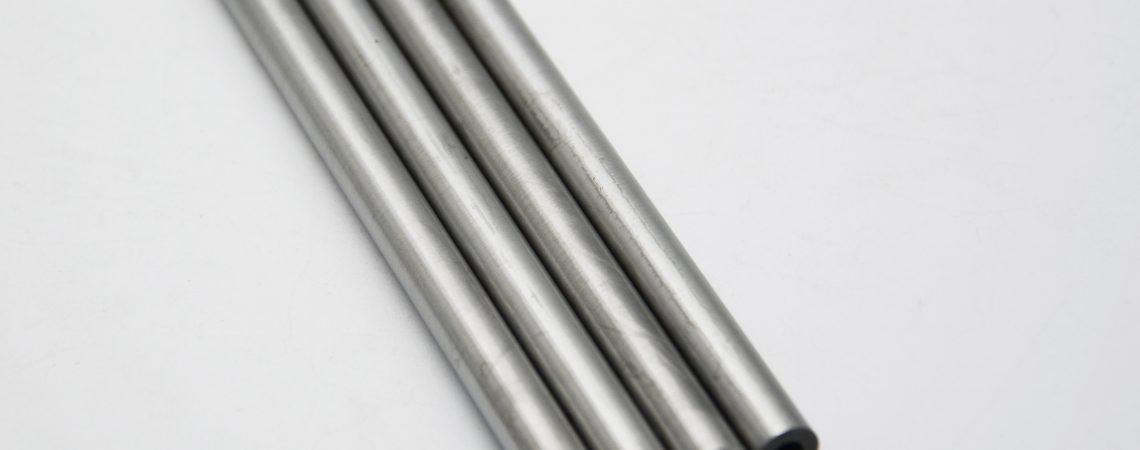
Molybdenum Tube & TZM Tube

Molybdenum Tube & TZM Tube Description

Molybdenum Tube is mainly a tubular material made of pure molybdenum or molybdenum alloy processed by powder metallurgy. It is the most commonly used key component in aerospace, defense industry, high-temperature equipment, electronics and semiconductor processes. According to different processing techniques, it can also be divided into: sintered tube, welded tube or drawn tube, etc. It has a series of advantages such as high melting point,

Read More
Tantalum Niobium Alloy Disc

Tantalum Niobium Alloy Disc Description

Tantalum and niobium have similar physical and chemical properties. Alloying them can achieve better performance and a wider range of applications. Tantalum Niobium Alloy Disc is made of tantalum-niobium alloy through high-temperature forging. It can perform excellent performance in high temperature, high pressure and strong corrosive environment, such as high strength, high corrosion resistance, high hardness, good processing performance, high toughness, excellent wear resistance, good electronic conductivity,

Read More
X