

Tungsten vs. Molybdenum: What Is the Difference?
Tungsten and molybdenum are both refractory metals used in high-temperature, semiconductor, electrical, and industrial applications. They have similar characteristics, but their different physical and electrical properties make them suitable for different applications.
Tungsten vs. Molybdenum in High-Temperature Applications
Both metals can be used in high-temperature equipment, including furnace components, heating elements, electrodes, and structural parts.
Tungsten has a higher melting point and is preferred for applications that require maximum temperature resistance. Its high density also makes it useful for components where weight and shielding properties are important.
Molybdenum can be a practical choice for high-temperature components where lower density and easier fabrication are beneficial. It is also used for molybdenum boats, furnace parts, and other components exposed to elevated temperatures.
Tungsten vs. Molybdenum in Semiconductor Applications
Tungsten and molybdenum are both used in semiconductor manufacturing equipment and components.
Tungsten has been widely used for contacts, electrodes, and other components. Molybdenum has also attracted attention in advanced semiconductor applications because its electrical properties and material characteristics can be advantageous for smaller structures.
The choice depends on the specific process, component design, temperature, electrical requirements, and fabrication method.
Other Applications of Tungsten and Molybdenum
The two metals overlap in some applications, but each also has areas where it is commonly selected.
| Application | Tungsten | Molybdenum |
|---|---|---|
| High-temperature furnace components | ✓ | ✓ |
| Heating elements | ✓ | ✓ |
| Electrodes | ✓ | ✓ |
| Semiconductor equipment | ✓ | ✓ |
| X-ray tube components | ✓ | — |
| Radiation shielding | ✓ | — |
| Molybdenum boats | — | ✓ |
| Glass manufacturing equipment | — | ✓ |
| High-density components | ✓ | — |
Tungsten or Molybdenum: Which One Should You Choose?
Choose tungsten when:
- Very high temperature resistance is required
- High density is important
- Radiation shielding or high-density components are needed
- Weight is not a major concern
Choose molybdenum when:
- Lower weight is preferred
- Easier machining is important
- Specific electrical properties are required
- The application does not require tungsten’s maximum temperature capability
There is no single material that is better for every application. The right choice depends on operating temperature, density, electrical requirements, machining requirements, and the final application.
Tungsten and Molybdenum Products from MatMetals
MatMetals supplies tungsten and molybdenum products in different forms for industrial and technical applications.
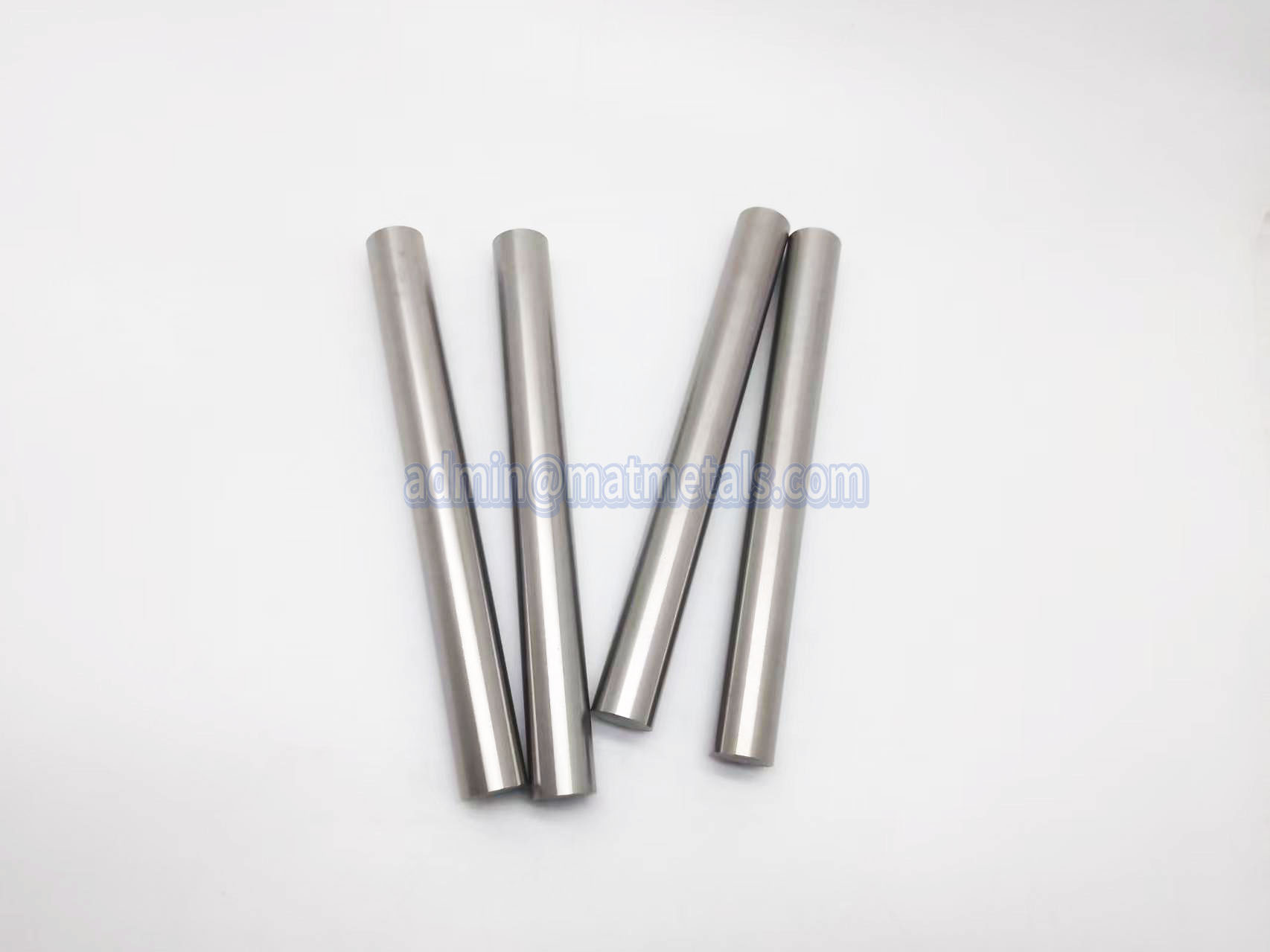
Tungsten products include:
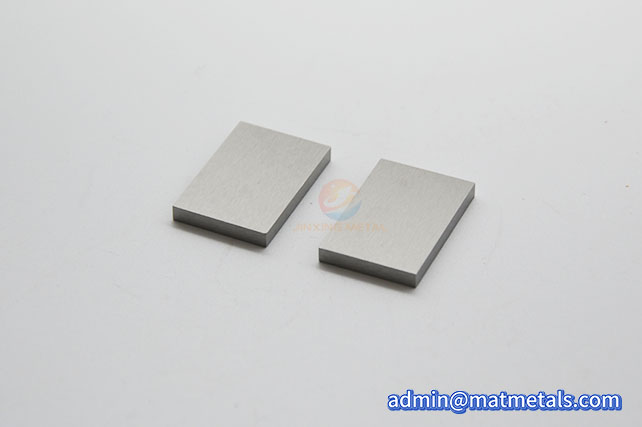
Molybdenum products include:
Custom sizes and specifications can be discussed based on the application and processing requirements.