

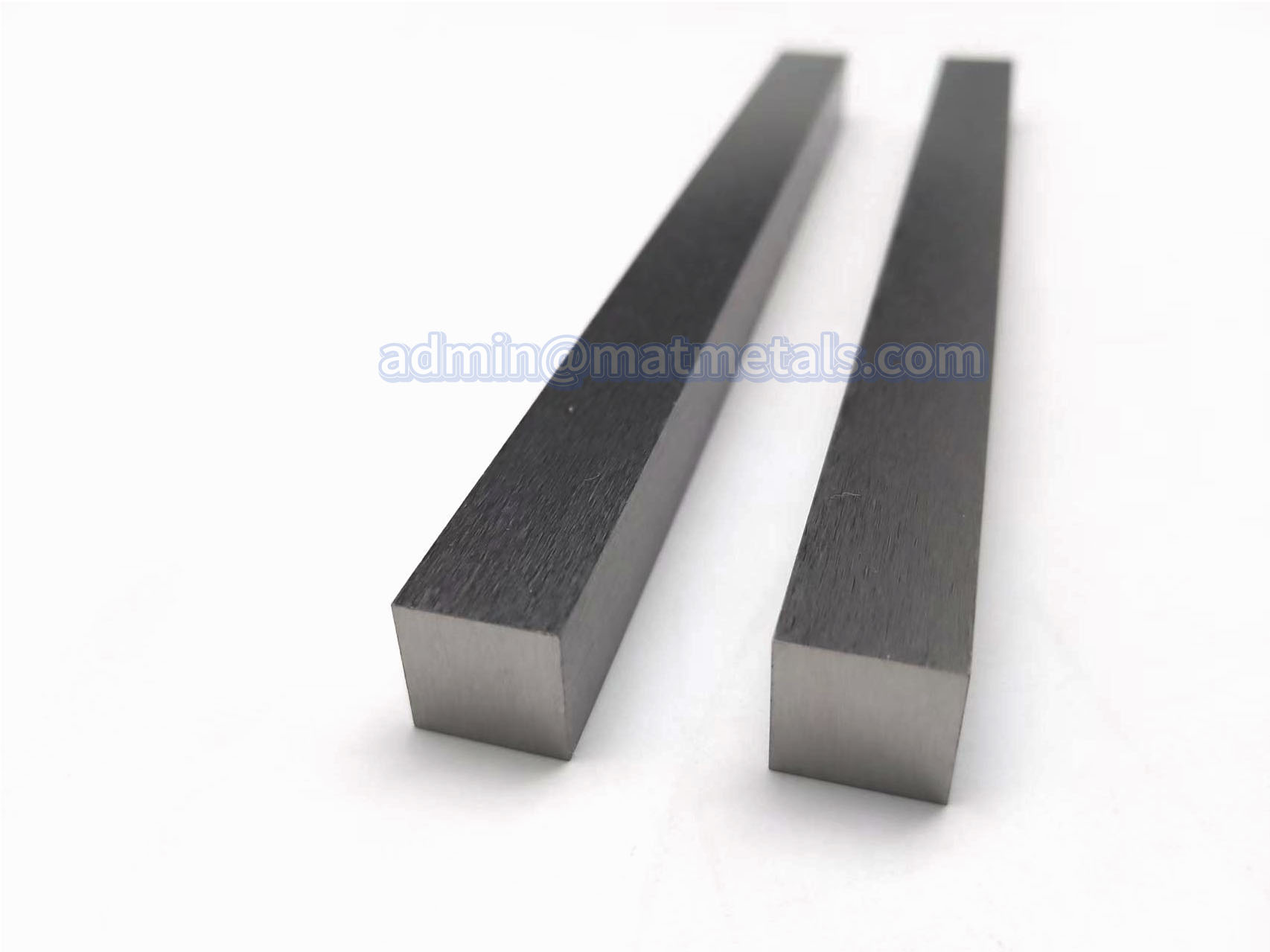
Pure Tungsten vs. Tungsten Heavy Alloy: Key Properties and Applications
overview
Pure tungsten and tungsten heavy alloy are both high‑density materials
used in industrial applications. However, they have different properties
Pure tungsten and tungsten heavy alloy are both high-density materials used in industrial applications. However, they have different properties and suit different uses.
Pure tungsten is known for its high purity and high-temperature performance. Tungsten heavy alloy combines tungsten with a binder phase, such as nickel-iron or nickel-copper. This gives the material better ductility and machinability.
This guide compares pure tungsten and tungsten heavy alloy and explains when each material may be a better choice.
What Is Pure Tungsten?
Pure tungsten is a tungsten material with a high tungsten content. Common high-purity grades contain 99.95% tungsten or more. Pure tungsten has a density of about 19.3 g/cm³ and a melting point of about 3422°C. It also has good thermal and electrical conductivity.
Its main advantages are:
- High tungsten purity
- Very high melting point
- High temperature resistance
- High density
- Good thermal and electrical properties
One limitation is its low ductility at room temperature. Pure tungsten can also be difficult to machine, especially for components with complex shapes.
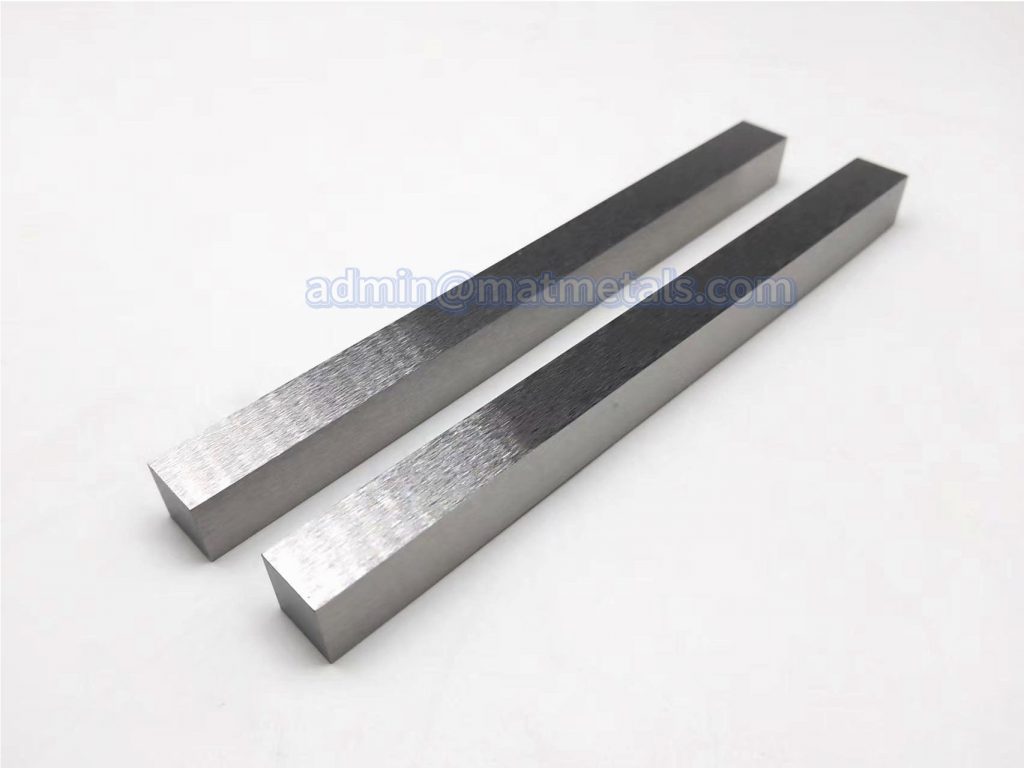
What Is Tungsten Heavy Alloy?
Tungsten heavy alloy is made mainly from tungsten and a metallic binder phase. Common types include WNiFe and WNiCu.
Depending on the grade, the tungsten content is commonly around 90–97 wt.%.The binder phase changes the mechanical behavior of the material. Compared with pure tungsten, tungsten heavy alloy generally offers better ductility and machinability while maintaining high density.
This makes it useful for components that need high density but also require machining or better resistance to mechanical impact.
Tungsten heavy alloy is not simply lower-purity tungsten. It is a different material system with a different balance of properties.
Pure Tungsten vs. Tungsten Heavy Alloy: Key Properties
The exact properties of tungsten materials depend on grade, composition, and processing conditions. The table below gives a general comparison.
| Property | Pure Tungsten | Tungsten Heavy Alloy |
| Tungsten Content | ≥99.95% for common
high-purity grades |
Typically 90–97 wt.% |
| Density | About 19.3 g/cm³ | Lower than pure tungsten |
| Melting Point | About 3422°C | Lower than pure tungsten |
| Ductility | Relatively low at room temperature | Generally higher |
| Machinability | Difficult | Generally better |
| Impact Resistance | Relatively low | Generally higher |
The main difference is the balance of properties.
Pure tungsten is mainly chosen for its high tungsten content and high-temperature performance. Tungsten heavy alloy is often chosen when high density needs to be combined with better mechanical and machining characteristics.
Density, Ductility, and Machinability
-
Tungsten Heavy Alloy Density Compared to Pure Tungsten
Pure tungsten has a density of about 19.3 g/cm³. Tungsten heavy alloys generally have lower density because they contain tungsten together with a binder phase.
The density of a heavy alloy depends on its composition and tungsten content. In general, a higher tungsten content results in higher density.
Both materials can be useful when a large amount of mass is needed in a small space. However, maximum density is not always the only requirement.
For example, a counterweight may need high density as well as holes, threads, or other machined features. In this case, machinability is also important.
-
Ductility of Tungsten Heavy Alloys vs. Pure Tungsten
Pure tungsten has limited ductility at room temperature. Under certain mechanical loads, it can fracture instead of undergoing significant plastic deformation.
Tungsten heavy alloys generally have better ductility because of their binder phase. This can be useful for components that experience mechanical loads or impact.
The actual performance depends on the alloy grade and processing conditions, so the data for the specific grade should be checked for engineering applications.
Tungsten Heavy Alloy Machinability vs. Pure Tungsten
Pure tungsten can be difficult to machine because of its hardness and limited ductility.
Depending on the component, processes such as grinding and EDM may be used.
Tungsten heavy alloy is generally easier to machine than pure tungsten. CNC machining, drilling, milling, turning, grinding, and EDM can be used depending on the material grade and part design.
For complex components, this difference can be an important factor when choosing a material.
Applications: When to Choose Each Material?
Pure Tungsten Applications
Pure tungsten is often chosen when high-temperature performance and high tungsten purity are important. Common applications include:
- High-temperature furnace components
- Heating elements
- Vacuum and evaporation components
- Certain X-ray tube components
- High-temperature electrodes
In these applications, the high melting point and temperature resistance of tungsten are important.
Tungsten Heavy Alloy Applications
Tungsten heavy alloy is often selected when high density needs to be combined with better machinability and mechanical performance.
Common applications include:
- Radiation shielding components
- Counterweights
- Balancing weights
- Precision machined components
- High-density structural parts
For these applications, the ability to machine the material into the required shape can be as important as its density.
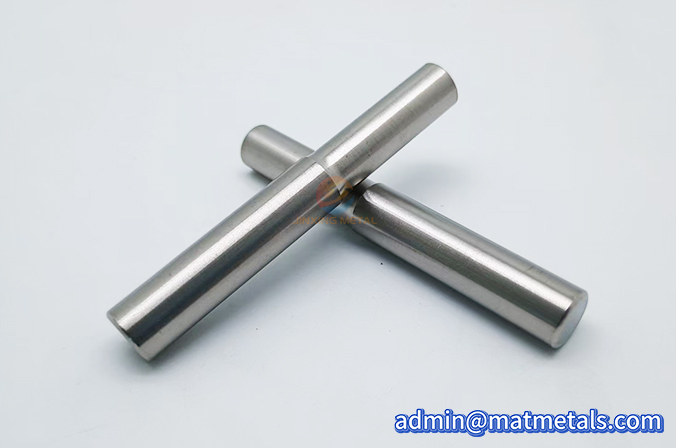
Conclusion
Pure tungsten and tungsten heavy alloy are both high-density materials, but they are suited to different requirements.
Pure tungsten is a good choice when high tungsten purity and high-temperature performance are important.
Tungsten heavy alloy is often a better choice when high density needs to be combined with better machinability and mechanical performance.
The right material depends on the actual application, design, and processing requirements.