



Product Description
Overview
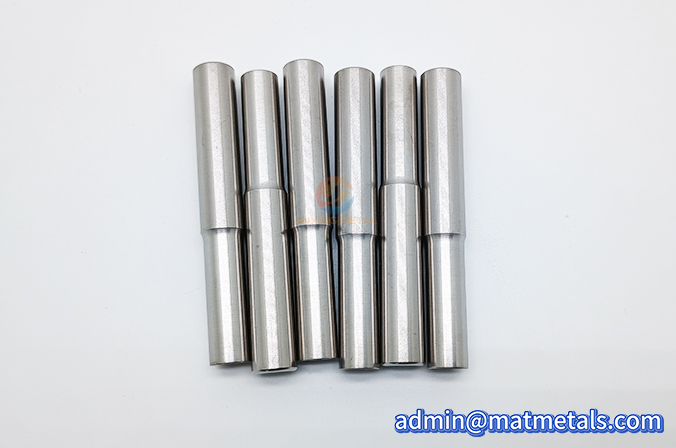
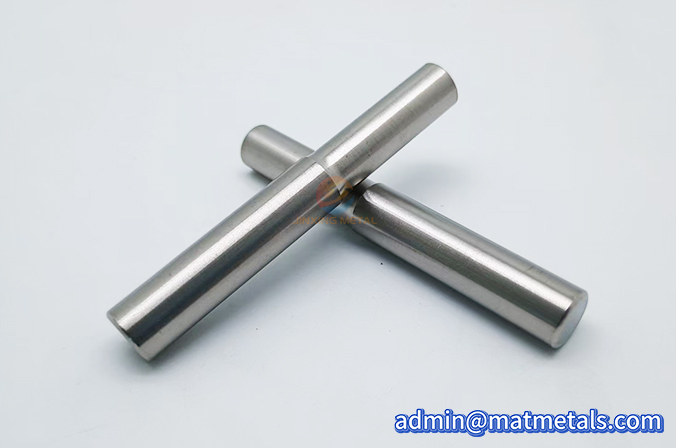
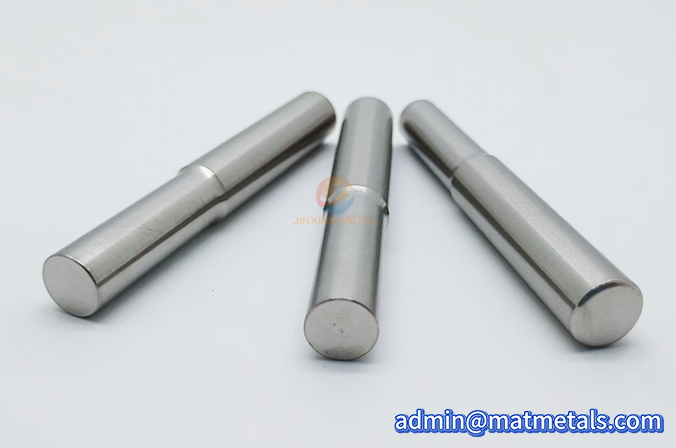
Tungsten heavy alloy balancing weights are high-density components characterized by high strength, high hardness, and excellent machinability; they are widely used for precision balancing in sectors such as aerospace, motor racing, and oil drilling. Offering a space-saving alternative to traditional materials, these weights are eco-friendly and non-toxic, certified to international ASTM and AMS standards, and combine design flexibility with reliability. Our company offers custom tungsten balancing weights in various grades and possesses over twenty years of export experience, making us a trusted partner for your needs.
Advantages
High density and high-temperature resistance: Offers a smaller volume for the same weight, making it the ideal choice for compact counterweights; maintains its shape and counterweight performance without degradation in high-temperature environments.
High hardness and strength: Features high mechanical strength, wear resistance, and impact resistance; resists deformation and fracture, making it suitable for applications involving vibration and movement, while ensuring a long service life.
Excellent machinability: Can be turned, milled, drilled, cut, and bent; easily processed into round bars, square bars, or custom-shaped parts with precise dimensional control.
Eco-friendly and non-toxic: Contains no harmful heavy metals and complies with international environmental standards; serves as a substitute for traditional lead counterweights and is suitable for export to markets worldwide.
High adaptability: Offers excellent vibration damping, stabilization, and noise reduction capabilities; widely used in sports equipment, machinery, model aircraft, and construction equipment.
Dimension
| Material | 90-97WNIFe |
| Diameter | 2.0mm-100.0mm |
| Length | 50mm-1000mm |
| Density | 16.5g/cm³ – 18.75g/cm³ |
| Hardness | ≥ 22 – ≥ 27HRC |
| Tensile Strength | ≥ 450 – ≥ 920MPa |
| Surface Delivery Condition | Sintered, Turned, Polished |
| Lead Time | 25-30 DAYS |
| Standard | ASTM B777/AMS-T-21014 |
| Certificate | ISO 9001 |
Type
| Grade | Chemical composition (WT%) | Density (g/cm³) | Characteristics and Typical Applications |
| Class 1 | 90W-7Ni-3Fe | 17 | High ductility and ease of processing; suitable for general-purpose counterweights (such as automotive wheel weights and sports equipment counterweights). |
| Class 2 | 92.5W-5.25Ni-2.25Fe | 17.5 | Balance of strength and ductility; used for aerospace gyroscopes and precision instrument counterweights. |
| Class 3 | 95W-4Ni-1Fe | 18.0 | High density and high hardness; suitable for high-load applications (such as F1 racing crankshaft counterweights and oil drilling weighted drill collars). |
| Class 4 | 97W-2.1Ni-0.9Fe | 18.5 | Maximum density but relatively low ductility; used for military counterweights where space is extremely limited (e.g., missile gyroscope rotors). |
Application
- Aerospace and Drones: Tungsten Heavy Alloys Balancing Weights use high density and non-magnetic properties to adjust the equipment's center of gravity, effectively enhancing flight stability without interfering with onboard precision electronic components.
- Construction machinery and special equipment: Tungsten Cylinder Weights are used as counterweights for cranes, elevators, vibration equipment, etc., relying on their own weight to stabilize working conditions and reduce operational vibration.
- Fishing gear industry: Tungsten fishing weights serve as an ideal alternative to eco-friendly lead sinkers and fishing reel counterweights, featuring a compact size and fast sinking speed, suitable for various fishing scenarios.
- Sports and leisure equipment: Used for precise weight balancing of golf, darts, rackets, and other products, optimizing equipment feel and enhancing the sports experience.
- Precision instruments and electronic equipment: With the advantages of weak magnetism and stable performance, Bulk Tungsten Weights is used as a counterweight for optical, communication, and inspection instruments, ensuring precise operation of equipment.
- Medical equipment: Suitable for counterweighting and auxiliary shielding needs of nuclear medicine and radiologic devices, non-toxic and environmentally friendly, meeting medical safety standards.
- Ships and marine equipment: resistant to seawater corrosion, can be used as a counterweight for ship accessories and underwater detection equipment, ensuring stable long-term use in underwater environments.
- Automotive industry: Installed on chassis and steering components of special vehicles and race cars to optimize body balance and reduce vibrations during driving.
- Molds and Machining: Used together with machine tools and tooling fixtures to enhance equipment stability, reduce vibration during processing, and improve machining accuracy.
Processing
- Powder preparation: Accurately weigh tungsten powder (Fisnert particle size 2–6μm), nickel powder (1–3μm), and iron powder (5–10μm) according to target grades to ensure uniform composition
- Mixing and ball milling: Using high-energy ball milling technology to fully mix metal powders and achieve pre-alloying, enhancing sintering activity
- Press molding: The mixed powder is compressed into billets through cold isostatic pressing or molding, ensuring uniform density and no delamination defects
- Sintering densification: Staged heating is carried out in a hydrogen or vacuum sintering furnace, where liquid phase sintering melts the bonded phase and fills the gaps between tungsten particles to obtain high-density sintered blanks
- Rotary forging deformation: Heating the sintered billet to 1200–1500°C, refines grains and enhances strength through radial rotary forging, while avoiding excessive differences in core and surface properties
- Heat treatment: Heat treatment is carried out in a vacuum or argon environment at 700–900°C to eliminate internal stress and optimize the bonding phase distribution
- Precision Machining: Uses PCD/CBN tools for low-speed cutting, combined with high-pressure internal cooling technology for machining to final dimensions, surface condition, and precision to meet customer requirements
- Quality inspection: Typically, non-destructive testing, mechanical property testing, dimensional accuracy, visual inspection, density testing, etc., are conducted to ensure qualified shipment.
Pictures
Please leave your information to get the latest quotation and product catalogue!