


Product Description
Overview
Compared to conventional sealing materials—such as stainless steel and nickel-based alloys—Stellite alloys leverage a unique cobalt-based matrix and carbide-strengthening mechanism to establish irreplaceable technical advantages in terms of wear resistance, corrosion resistance, high-temperature stability, and galling resistance. Stellite plates are capable of withstanding various harsh operating environments—including those involving high temperatures, severe corrosion, or extreme wear—making them ideally suited for applications in the oil and gas, chemical, aerospace, nuclear energy, and metallurgical manufacturing sectors. We offer our clients high-quality, customized Stellite products, as well as products made from refractory or precious metals. If you are interested, please do not hesitate to contact us for a quotation.
Properties
- Its extremely low coefficient of friction and excellent resistance to cold welding effectively prevent scratching of sealing surfaces—caused by high temperatures and pressures—during metal-to-metal sealing contact.
- It maintains a hardness of HRC 40 or higher even at extreme temperatures ranging from 540°C to 850°C, whereas standard stainless steels (such as 304) would soften severely at these temperatures, leading to seal failure.
- Its high chromium content (25%–32%) facilitates the formation of a dense surface layer of Cr₂O₃ (chromium oxide), providing robust resistance against acidic media (such as sulfuric and nitric acids), sulfur- and chlorine-rich environments, and high-temperature oxidation.
- When subjected to fluid erosion containing solid particulates, the unique structure of Stellite alloys—comprising a tough matrix reinforced by hard carbides—simultaneously resists both abrasive wear and impact loads, thereby preventing the premature failure of sealing surfaces.
- Stellite alloys can be selectively deposited onto standard steel substrates using techniques such as TIG welding, plasma arc welding, or laser cladding; this approach significantly reduces costs while ensuring superior performance of the sealing surface. Furthermore, worn surfaces can be restored through re-deposition, eliminating the need to replace the entire component and thereby lowering maintenance costs.
Dimension
| Grade | Stellite 6/12/21 |
| Size | Custom |
| Thickness | 10–50 mm |
| Density | 8.4–8.5 g/cm³ |
| Diameter | φ50–φ800 mm |
| Surface Roughness | Ra 0.2–0.4 μm |
| Hardness | 40–52 HRC |
| MOQ | 2PCS |
| Delivery time | 25-30DAYS |
| Certificate | ISO 9001 |
- High-Impact/Vibration Environments: Prioritize Stellite 21 (offers the best toughness)—e.g., valves in thermal power plants.
- Severe Abrasive Wear Conditions: Select Stellite 12 (offers the highest hardness)—e.g., seals in slurry pumps.
- High-Temperature Corrosive Media: Select Stellite 6 (offers the best balance of properties)—e.g., petrochemical hydroprocessing units.
Common Grades
| Grade | Typical Hardness (HRC) | Maximum Temperature Resistance | 耐磨能力 | 耐蚀(酸 / 硫) | 韧性 / 抗冲击 | Selection Recommendations |
| Stellite 6 | 36–45 | 500-600℃ | ★★★★ | ★★★★ | ★★★★ | The vast majority of valve sealing discs default to this as their first choice, offering the most comprehensive stability and excellent cost-effectiveness. |
| Stellite 6B | 40–45 | 600℃ | ★★★★ | ★★★★ | ★★★★ | High-temperature steam valves for thermal power plants feature excellent thermal stability and reliable sealing. |
| Stellite 6K | 44–48 | 550℃ | ★★★★★ | ★★★★ | ★★★☆ | Sulfur-Bearing Oil & Gas / High-Pressure Water Injection Sealing Disc — Sulfur-Resistant + High Hardness & Wear-Resistant |
| Stellite 12 | 55–60 | 600℃ | ★★★★★★ | ★★★☆ | ★★★ | Offers the longest service life under severe abrasive wear conditions. |
| Stellite 21 | 30–38 | 450℃ | ★★★☆ | ★★★★★ | ★★★★★ | Nuclear Power / High-temperature, mildly abrasive, and crack-sensitive conditions—offering optimal toughness and corrosion resistance. |
Application
1. Oil & Gas
High-Pressure Water Injection / Wellhead Valves: Stellite plates are utilized in valves for oilfield pipelines and Christmas trees, designed to withstand the extreme conditions of deep wells—including high temperatures, high pressures, and media containing sand and hydrogen sulfide.
Fracturing / Mud Pumps: Serving as sealing components within pump valve assemblies, these parts come into direct contact with highly abrasive mineral slurries and drilling muds.
2. Aerospace
Engine & Fuel Delivery Valves: Stellite sealing discs are employed in valves for aircraft engines and rocket fuel lines, engineered to endure both extreme temperatures (high and low) and high-pressure shock loads.
3. Chemical Industry
Hydroprocessing Unit Valves: Suitable for valves within pipelines conveying high-temperature, high-pressure oil and gas, hydrogen, and chlorine-containing media.
Reactor Discharge Valves: Used in pipelines handling high-temperature, dust-laden coal gas or materials containing solid particles.
4. Metallurgy & Mining Machinery
Metallurgical High-Temperature Flue Gas Valves: Cobalt-base alloy sealing plates are installed in butterfly valves and gate valves within the flue gas ducts of hot blast furnaces and heating furnaces; they withstand high-temperature flue gases, maintaining undiminished sealing performance even in extreme thermal environments.
Mining Slurry Valves: Used in valves for transporting tailings and mineral slurries, these components resist continuous abrasion from mineral particles, thereby reducing maintenance frequency.
5. Power & Energy
Thermal Power Steam Valves: Applied in gate valves and globe valves associated with boilers and steam turbines; designed for prolonged exposure to high-temperature, high-pressure steam, ensuring stable, leak-free sealing performance.
Nuclear Power System Valves: Installed in valves within steam generation and cooling loop systems; these components offer high radiation resistance and strong adaptability to operating conditions, meeting the requirements for long-cycle, maintenance-free operation.
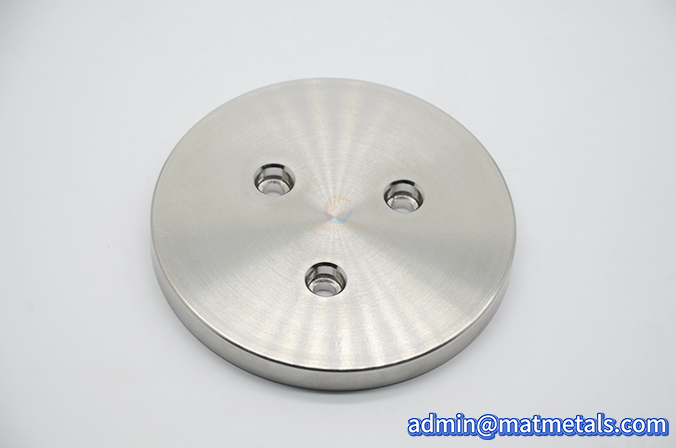
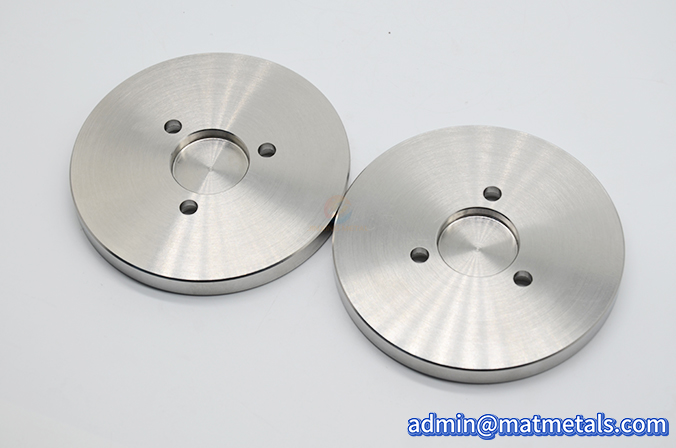
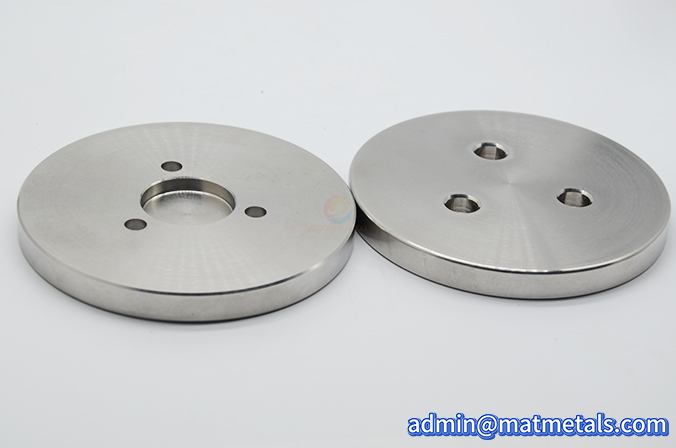
Stellite Plate Pictures

Please leave your information to get the latest quotation and product catalogue!